Field encyclopedia
Marsipedia
What is known about Mars, cross-linked, with a field desk for a cache, a shell, and an array.
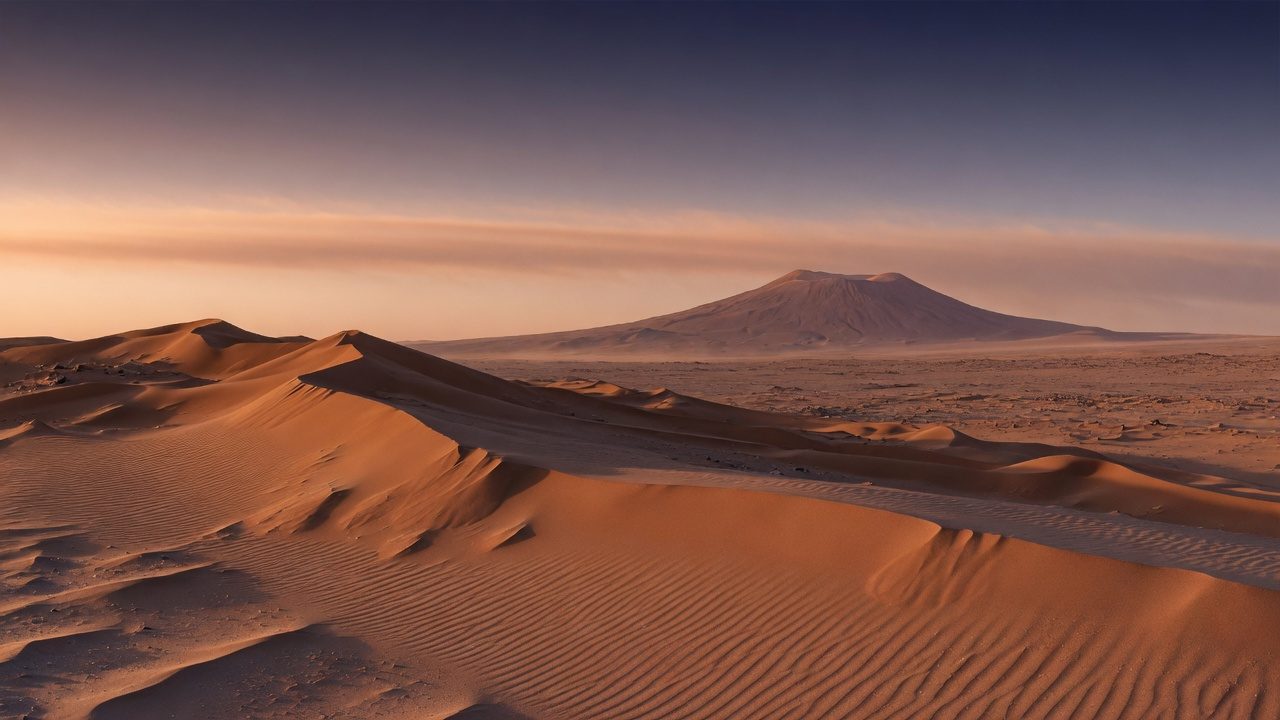
Open the Mars articleThe picture is an original illustration, not a mission photograph.
- Articles
- 41
- Source pages
- 29
- Sheet date
- 26 Sep 2026
Field desk
Three screens, each one refuses a blank
Featured article
Mars
The fourth planet from the Sun: a cold desert world with a thin carbon-dioxide atmosphere and two small moons.
Mars is the fourth planet from the Sun and the second-smallest of the eight planets. A mean radius of 3,389.5 km makes it a little over half as wide as Earth. The ground looks red because fine dust is rich in iron oxide.
Read the full article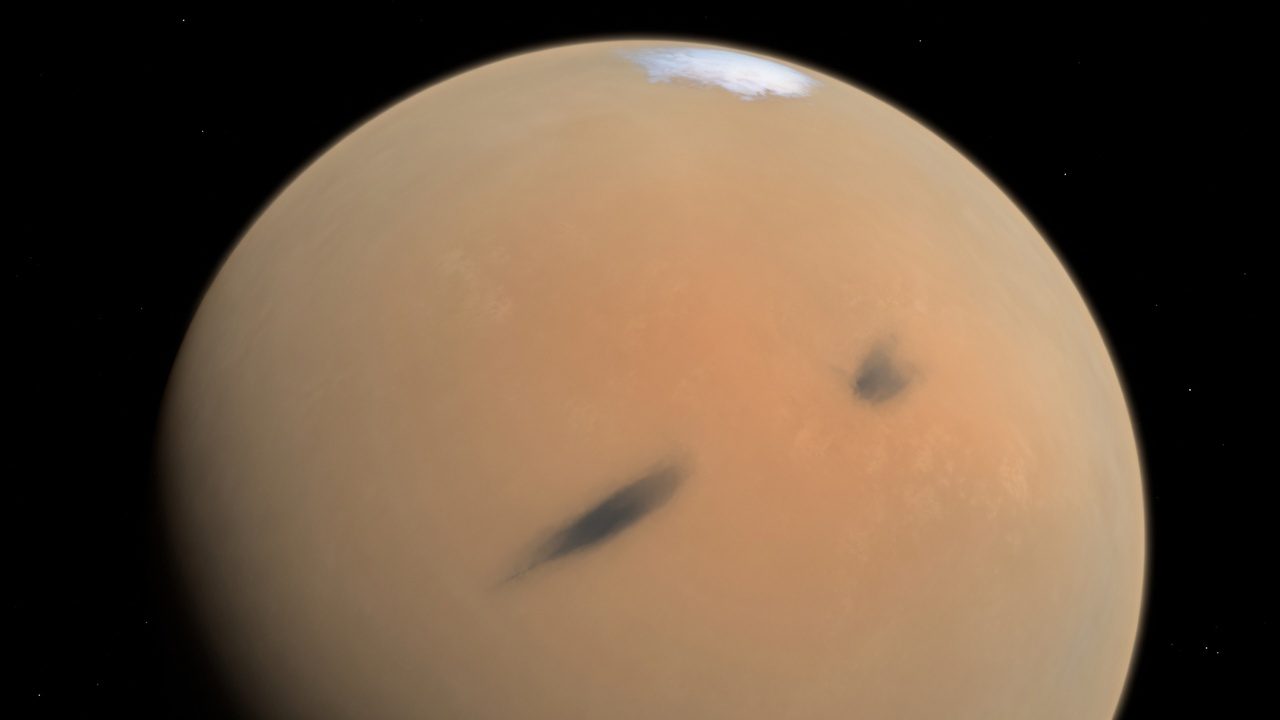
Field log
- 01One person and one Earth day of oxygen, potable water, and food lasts one Earth day. Hygiene and flush are not on that clock.
- 02Shell heat is a conductance you type, times area, times the temperature difference. This sheet stores no habitat conductance.
- 03Array area runs the solar screen backwards. At 100 percent, zenith 0, and tau 0, 586.2 W/m2 needs 1 m2.
- 04A mean solar day on Mars, a sol, lasts 24 h 39 m 35 s.
- 05The sol clock uses the NASA GISS Mars24 equations, checked against their published example.
- 06Light time on a distance you type is that distance over 299,792.458 km/s. The long envelope is 22 minutes, not today's Mars.
- 07The Curiosity rover is 899 kg. Perseverance is 1,025 kg. Those are the rolled vehicles.
- 08On 20 March 2017 the Curiosity odometer stood at 16.0 km. A 2021 count found 4 broken grousers.
- 09Pressure at elevation is the datum pressure times exp(-z / 11 km). That is a screen, not a forecast.
- 10One kilogram of oxygen from carbon dioxide takes 2.75 kilograms of carbon dioxide. That is chemistry, not a plant.
- 11Six places share one dossier table. It can be sorted. It does not name a winner.
- 12Olympus Mons stands about 22 km above the datum. Relief from the northwestern plains can approach 26 km.
- 13NASA's September 2025 paper called a Jezero sample a potential biosignature, not a detection of life.
- 14As of this sheet, JAXA's MMX launch was still planned for 20 October 2026.